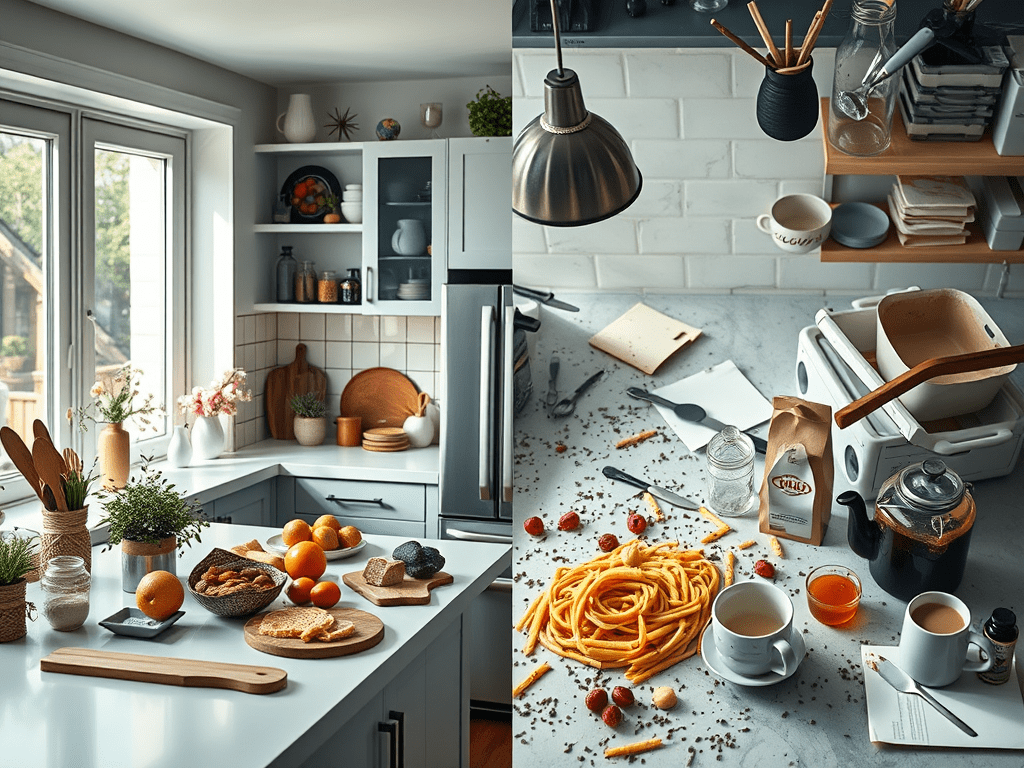
I’ve burned pasta, cried over a flat-lay that looked like a dead bouquet, and once nearly fell off a chair trying to get the perfect top-down photo of my coffee. But none of it compares to the drama I’ve seen unfold in the name of Instagram.
There’s something deeply seductive about looking like you have it all together online. A glow-up carousel, a curated pantry, a baby in neutrals. You post it, you bask in the likes, and if you’re lucky, someone DMs you “#goals.” But here’s the thing: sometimes, the pursuit of the picture-perfect life doesn’t just ruin your dinner plans. It ruins your real life.
Filter first, feelings later
According to a Lancaster General Health study, the pressure of constant comparison on platforms like Instagram can spike anxiety, depression, and body image issues, particularly for young adults. What you’re seeing isn’t always real. That ab shot? Sucked in. That vacation? Sponsored. That relationship? Hanging on by a Lightroom preset.
And yet, we scroll. We double tap. We aspire..
Smile for the vlog (even if you’re breaking inside)
Let’s talk about family vloggers, the wholesome corners of the internet that sell you bedtime routines and birthday balloon garlands. From afar, it looks like love. But peek behind the scenes and it’s a corporate setup with camera angles.
Remember the case of Myka and James Stauffer? They were popular YouTubers who shared every moment of parenting their adopted son Huxley, until they quietly announced they’d “rehomed” him. He had autism, and they decided they couldn’t handle it. What followed was a public outcry about the commodification of children for content. As reported by People Magazine, it was a reminder that these online families aren’t just cute. They’re content.
Another disturbing trend? Children growing up with no digital consent. They’re filmed in the bath, while crying, or mid-meltdown. It’s monetized, edited, and served with a thumbnail that says “REAL LIFE MOMMY BREAKDOWN.” A jurimetrics study from the American Bar Association argues that we urgently need legal protections for minors in monetized content.
When the grid becomes your god
The obsession with aesthetics can cost more than just time. It can cost connection. I know of friendships that have imploded over unfollowing. Marriages strained under the pressure of “couple content.” Moms who breastfeed around ring lights and kids who cry if their dance isn’t trending.
A 2023 paper on influencer burnout found that social media creators often feel trapped in the image they’ve created. You become your content, and if your life doesn’t fit the feed, you either lie or implode.
So, what now?
Maybe we all need a little more mess. A little more margin. Maybe the goal isn’t to become aspirational. Maybe it’s to become honest.
I’ve stopped editing my food photos (mostly). I don’t rearrange my cats for the aesthetic anymore (they rearrange me). I choose connection over curation when I can. Not always, but often enough to remember what life outside the screen feels like.
So next time you see that perfect flat-lay, remember: behind every good grid is a girl standing on a chair, holding her breath, wondering if this will finally be enough.
In the name of Instagram, don’t lose yourself.
 Brokebella
Comment