Since starting my marketing degree at the University of London, I have started seeing marketing differently. I used to think of it as just about selling products, but now I see how it shapes how we live, present ourselves, and even define success.
One of the most interesting ideas I have learned is biopolitical marketing, which is basically when brands make their marketing part of our everyday lives. It is not just about making us buy things; it is about making us feel like we are always working to promote a certain image, whether we realize it or not.
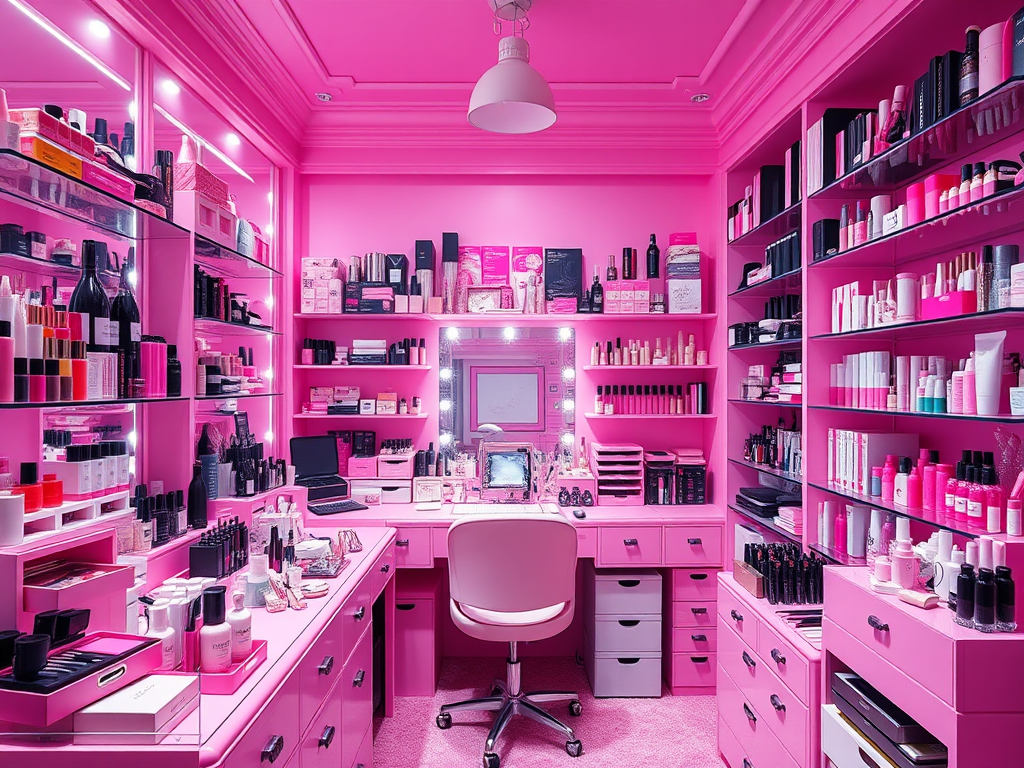
The beauty industry is full of this. Take influencers like Mikayla Nogueira, Jeffree Star, and Tati Westbrook. They do not just sell makeup, they sell a whole lifestyle of overconsumption. Huge PR hauls, shelves overflowing with new launches, and constant hype around the “next best thing” make it feel like we are always one purchase away from being better. And we, as consumers, do the marketing for them. We share hauls, post our “aesthetic” beauty spaces, and discuss must-have products online, giving brands free promotion while making excess look aspirational.
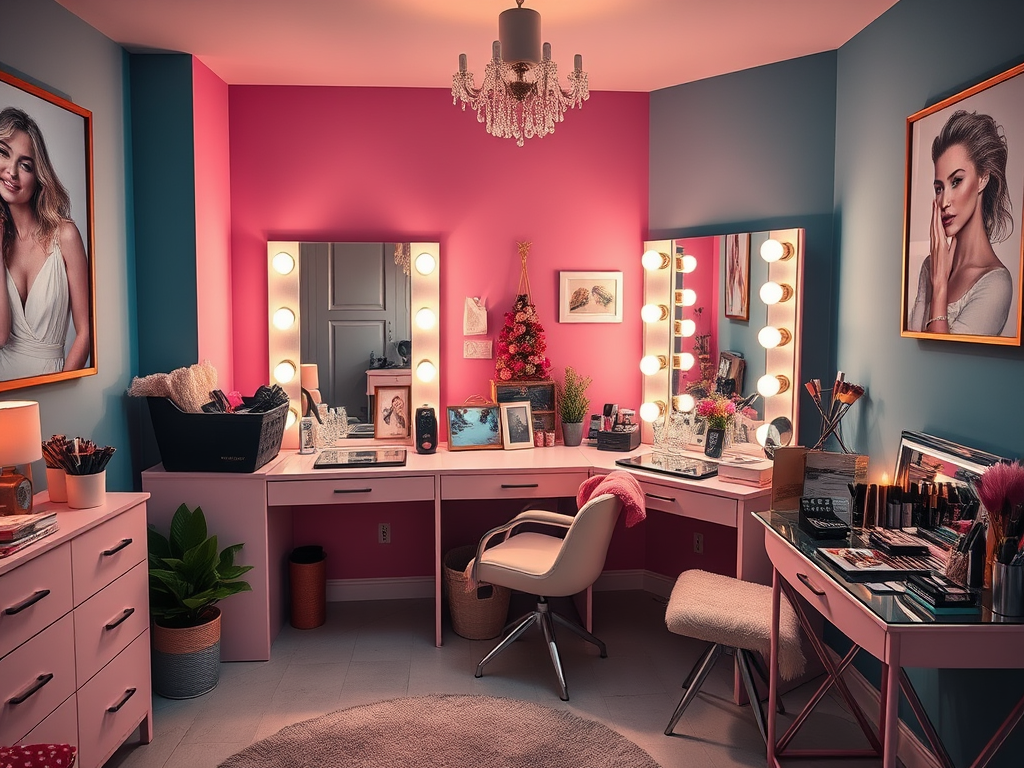
What really stuck with me is how marketing sells not just products but also dissatisfaction. It convinces us that what we have is insufficient and that self-improvement comes from buying more. It turns consumption into a full-time job, where we always curate, update, and share.
This course has made me rethink my habits. Am I buying something because I really need it or because I feel like I have to keep up? More importantly, am I unintentionally doing free marketing for brands every time I share something online?
Have you ever bought something just because it looked good on Instagram?
 Brokebella
Comment